Technology

Technology is reshaping every facet of the travel industry, from AI-powered personalization and predictive analytics to blockchain in payments and next-gen distribution models.

Skift Research delivers in-depth analysis on the innovations that matter, helping industry leaders understand how automation, fintech, and digital platforms are redefining operations and customer experiences.

Read more

How will machine learning optimize pricing? What role does biometrics play in seamless travel? How are cloud-based systems transforming hotel and airline operations? Our research unpacks the trends driving the next wave of disruption.

With insights on cutting-edge technology, strategic adoption, and competitive advantages, we help travel brands navigate an increasingly digital future.

How Tech Is Changing the Way Millennials Do Business Travel

Building products around and marketing to the next generation of business travelers will not be an easy task. Social, fickle, design-centric and narcissistic, Millennials demand the highest of product standards while resisting traditional marketing methods. In this report, we’ll look at some of the success stories and trends facing the industry as the next generation of travelers comes of age.


Mobile First and the Silent Traveler in 2015

In this study, we look at what silent travelers are doing, where they are going, and how they are getting there. What can brands do to reach them in-trip and at-destination? This report dives into demographics, travel trends, and best practices for seeking the often younger, tech-savvy, and business/leisure-combining travel consumer.

The Future of Wearables in Travel

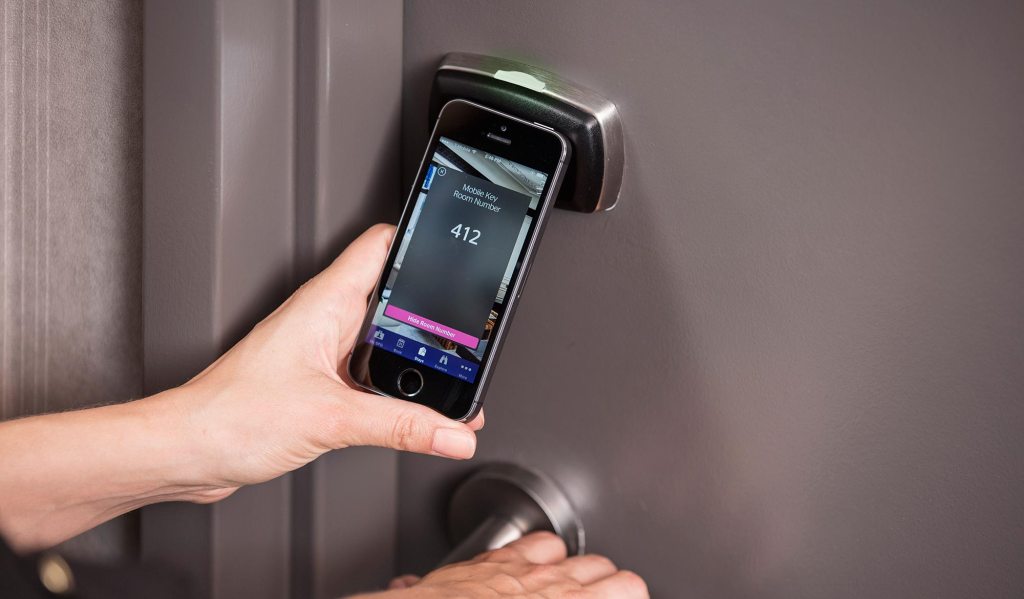
As consumers increasingly embrace wearables, those in the travel and hospitality industry are turning to this hardware to reach and engage their audience, and improve the customer experience. From technology that lets guests unlock their rooms to boarding passes displayed on your wrist, wearables are becoming an important part of the traveler’s journey.

The State of Travel Metasearch in 2015

While Trivago, Kayak, TripAdvisor, and Momondo are spending millions of TV dollars to introduce consumers to their metasearch services, Google is moving in on them with zero TV spend. A look at the factors, including the rush toward direct bookings, that are shaping the entire metasearch sector in 2015.

The State of Mobile Booking 2015

How do top executives and mobile gurus in travel view the dramatic shift toward mobile that’s under way and what does it mean for lookers, bookers and the bottom line? This Skift Trends Report traces some of the seminal shifts of 2014, from the dramatic rise in mobile bookings to same-day hotel-booking trends and marketing trends that impact mobile development.

Understanding the Digital Habits of Business Travelers

Business travel is showing post-recession resiliency, and opportunities to reach working travelers abound in the digital ecosystem. For brands, capturing a segment of what’s estimated to be some $71 billion in business-travel revenue, however, means a balancing act between travelers’ wants, corporate travel policies, and the emerging expectations of Millennials in the space.

The Rise of the Silent Traveler: Reaching Out to the Mobile-First Travel Consumer

The silent traveler turns to their mobile devices, instead of in-person interaction, for highly personalized responses to in-trip challenges. In this report, we examine the changes that these customers are creating across industry verticals — and we look at the important opportunities they now present to travel brands that can adapt to their dynamic and evolving expectations.

Evolving Strategies in Travel Ad Tech and Bookings

As media buying and delivery technology expands in every industry, travel marketers are competing to identify, reach, and convert consumers in an increasingly complex display-ad environment. Their strategies to do so are evolving, as technology provides newly dynamic and newly granular tools across a spectrum of devices and platforms.

The Rise of Location Data in Travel

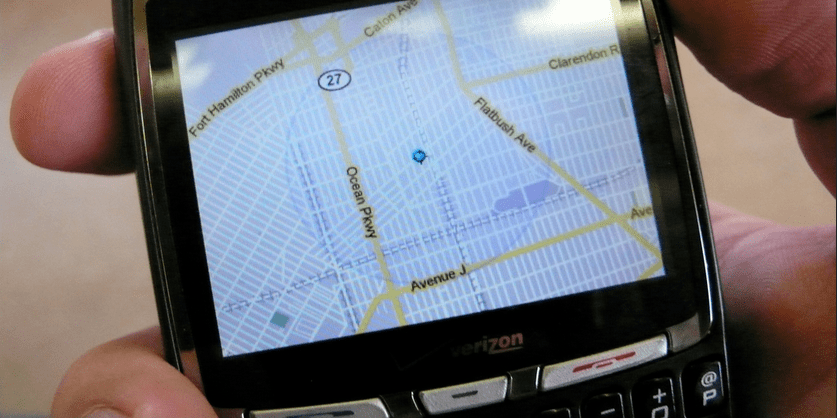
Location data represents an entirely new layer of digital information that travel marketers can utilize to understand potential customers and engage travelers with compelling stories about destinations. The opportunity to use location data is particularly compelling for tourism organizations, which have traditionally served as an intermediary between travelers and local businesses.